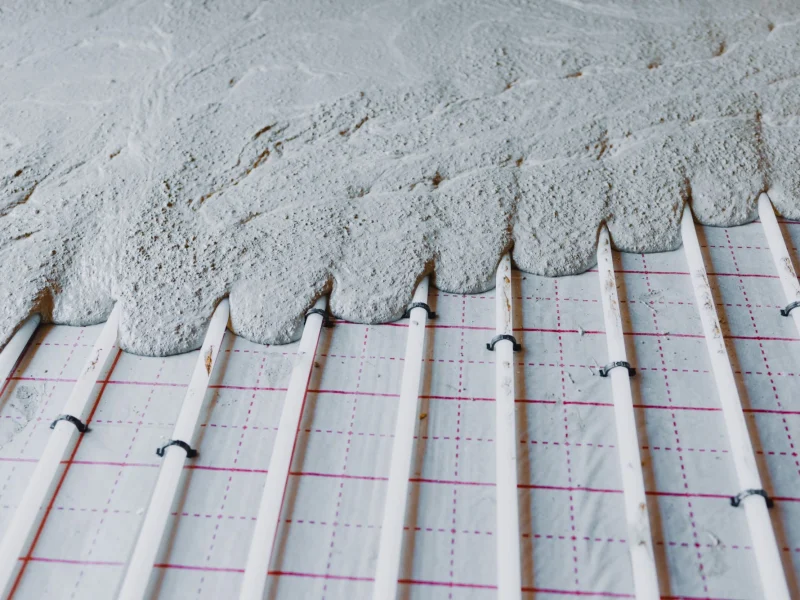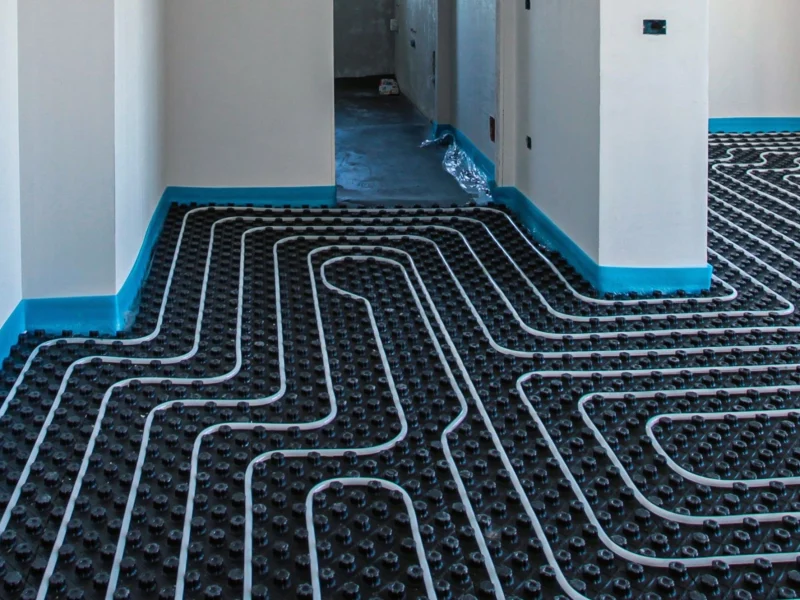
Most underfloor heating problems aren’t caused by the system itself, but by avoidable mistakes in planning, installation, or setup.
From uneven heat distribution and slow warm-up times to systems that simply don’t perform as expected, these issues often stem from decisions made long before the system is switched on.
In this guide, we’ll explore 10 of the most common underfloor heating problems we come across, and how to avoid them through proper design and installation.
1. Skipping heat loss calculations
One of the most common, and costly, issues starts right at the beginning: skipping heat loss calculations.
It’s easy to rely on rough estimates, especially when time is tight, but without a clear understanding of how much heat a room actually needs, the system is based on assumption rather than accurate data.
That’s where problems begin. The system may not be able to produce enough heat for the space, leading to rooms that never quite reach temperature, slower warm-up times, or a reliance on additional heating to fill the gap.
The fix is simple. Calculating the heat requirements for each room before specifying the system ensures you get the right output and the correct pipe or cable spacing from the outset.
This is also where proper design support makes a real difference. A detailed CAD layout, backed by accurate heat loss calculations, removes the guesswork and helps ensure the system performs exactly as it should from day one.
2. Choosing the wrong type of system
Another issue we see quite often is simply choosing the wrong type of underfloor heating system for the space. Electric and water systems both have their place, but if they’re used in the wrong setting, it can lead to poor efficiency and higher running costs than expected.
For example, electric systems tend to work really well in smaller areas like bathrooms or single rooms, where quick installation and fast heat-up times are a big advantage. But when they’re used across larger spaces or whole-house projects, they can become expensive to run.
Water-based systems are usually the better fit for larger areas and properties that need consistent, ongoing heat. That said, they can be more complex and costly than necessary for smaller spaces that are only used occasionally.
When the system doesn’t quite suit the space, it often shows in the day-to-day performance. Higher energy bills, slower response times, or a setup that fails to deliver the expected results.
Getting this right comes down to understanding the details of the project. Looking at things like room size, how the space will be used, and the floor construction makes it much easier to choose the right system from the start and avoid issues further down the line.
3. Incorrect pipe or cable spacing
Incorrect pipe or cable spacing is a common cause of uneven heat distribution. It’s not always obvious during installation, but once the system is up and running, the difference is easy to feel.
If the spacing is too wide, you can end up with cold spots where the heat just isn’t reaching properly. Too tight, and certain areas can overheat, which not only affects comfort but can also reduce efficiency and increase energy use. Either way, the system struggles to deliver that consistent, even warmth you’d expect.
Avoiding this comes down to getting the spacing right from the start. It should always be based on the heat output required for the room, rather than a standard approach.
When spacing is planned alongside heat loss calculations and the overall system design, it leads to much more even coverage and a system that performs reliably day to day.
4. Poor or missing insulation
Poor or missing insulation is one of the most common reasons an underfloor heating system doesn’t perform as it should. Without a proper layer beneath it, a lot of the heat ends up being lost down into the subfloor instead of rising into the room.
You’ll usually notice this through slower warm-up times, uneven temperatures, or energy bills that are higher than expected, as the system works harder to make up for the heat that’s being lost.
The good news is it’s easy to put right when it’s considered early on. Installing suitable insulation boards as part of the floor build-up helps keep the heat moving in the right direction.
It improves efficiency, reduces heat loss, and helps make sure the system performs as intended from the very start.
5. Overlapping pipes or heating cables
Overlapping pipes or heating cables is a more serious installation issue, and one that can have a clear impact on how the system performs. It usually comes down to layouts not being followed properly or things being rushed during installation.
When pipes or cables overlap, heat builds up in those areas, creating hot spots where parts of the floor feel noticeably warmer than others. With electric systems in particular, this can also put extra strain on the cable, increasing the risk of damage over time.
It’s not just about comfort either. Over time, this kind of issue can affect the lifespan of the system and, in some cases, lead to failures in those areas.
Avoiding it really comes down to care during installation. Sticking closely to the layout and checking spacing as you go helps keep everything evenly distributed and protects the system in the long run.
6. Not allowing for floor build-up height
This is one that’s easy to miss, but it can cause real issues later on. Underfloor heating doesn’t sit on its own – it’s part of a full floor build-up that includes insulation, pipes or cables, screed or levelling compounds, and the final floor finish.
If that full build-up isn’t considered early on, things don’t always fit together as they should. It can leave installers trying to adjust on site, which often leads to compromises in how the system is installed.
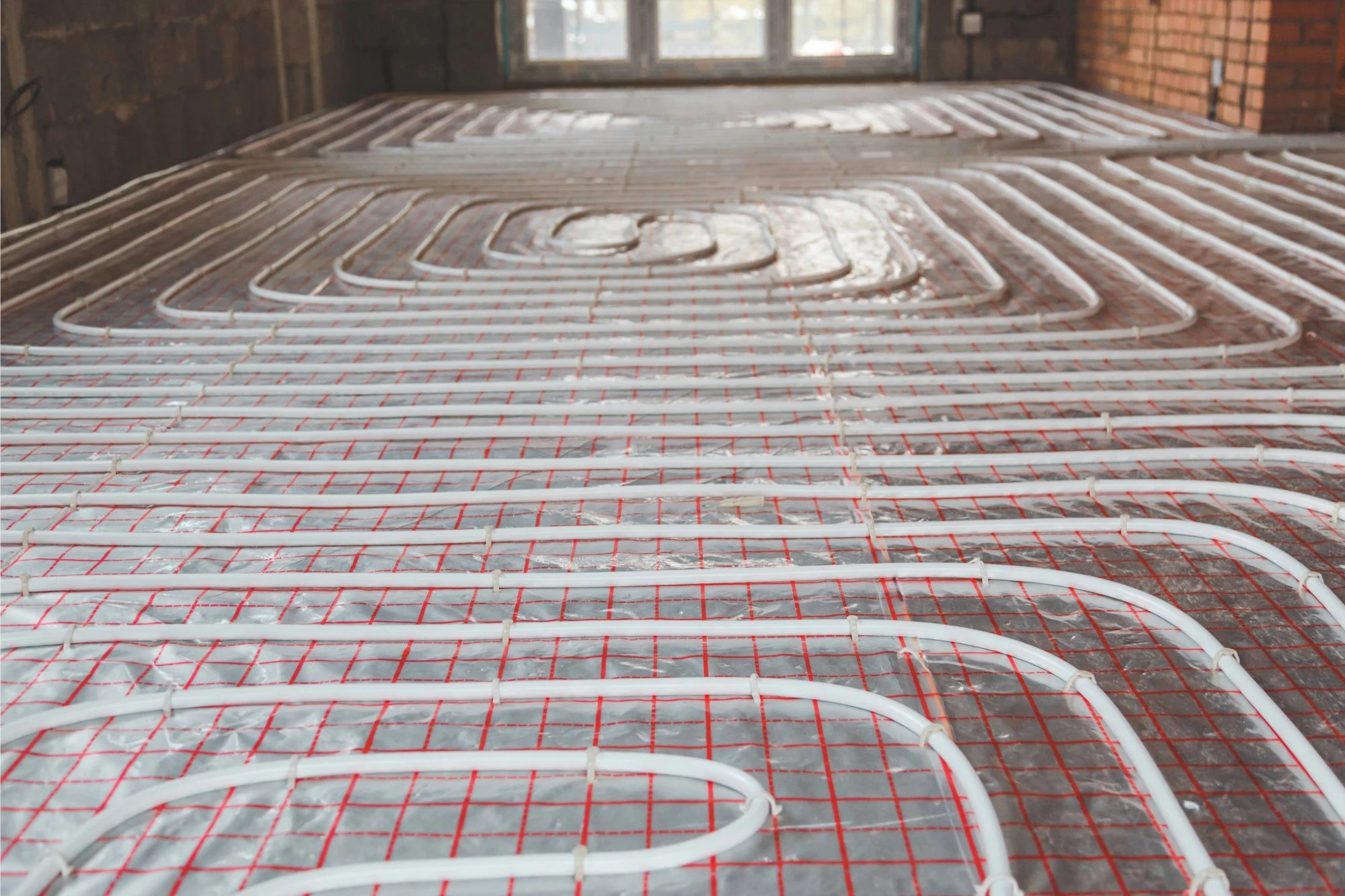
You’ll usually see the impact in uneven floor levels, reduced efficiency, or awkward transitions at doorways and between rooms.
The best way to avoid it is to plan everything from the start. Taking each layer into account during the design stage makes sure the system fits properly, works efficiently, and doesn’t create extra problems further down the line.
7. Incorrect manifold placement (water systems)
With water-based underfloor heating systems, manifold placement has a bigger impact than people often expect. If it’s not positioned well, it can cause issues both during installation and later on when the system is in use.
A common problem is placing the manifold somewhere awkward or hard to access. It might seem fine at the time, but it can make commissioning, balancing, and future maintenance much more difficult than it needs to be. It can also lead to longer or less efficient pipe runs, which can affect how well the system performs overall.
You’ll often notice this through uneven heating between zones or a system that’s harder to balance properly, along with added hassle whenever adjustments or servicing are needed.
Getting it right is mostly about placement. Positioning the manifold somewhere central and easy to access helps keep pipe runs efficient, makes maintenance simpler, and allows for more accurate balancing once the system is up and running.
8. Thermostat placed in the wrong location
Thermostat placement might seem like a small detail, but it has a direct impact on how well an underfloor heating system actually performs. If it’s in the wrong spot, it can give a reading that doesn’t reflect the true temperature of the room.
A common issue is placing thermostats near drafts, in direct sunlight, or close to radiators and other heat sources. When that happens, the system can end up switching off too early or running longer than it should.
The result is inconsistent comfort, with some areas feeling too warm while others never quite reach the right temperature, along with less efficient day-to-day operation.
Getting it right is fairly simple. Position thermostats in a neutral, representative part of the room, away from direct heat, cold spots, and sunlight. That way, they can measure the space accurately and allow the system to run steadily and efficiently.
9. Failing to test the system before covering it
Another costly mistake is not properly testing the system before it’s covered with screed or flooring. Once the pipes or cables are buried, any issues become much harder, and more expensive, to put right.
The problem is that faults like leaks, damaged cables, or connection issues can easily go unnoticed during installation. If the system is covered before testing, those issues are effectively hidden until commissioning, or worse, after the floor has already been finished.
When that happens, it usually leads to disruptive and costly rework, often involving lifting sections of flooring just to get back to the problem.
The fix is straightforward but essential. The system should always be fully tested before it’s covered. For water systems, that means pressure testing. For electric systems, it means completing full electrical testing in line with manufacturer guidelines.
It’s a simple step, but it makes sure any issues are picked up early, when they’re still easy to resolve.
10. Poor commissioning and system setup
Commissioning is often treated as a final formality, but it’s actually one of the most important stages in making sure an underfloor heating system performs properly. If it’s rushed or not done correctly, even a well-installed system can end up underperforming.
The issue usually comes down to the system not being properly balanced or configured. This is particularly important with water-based systems, where flow rates need to be carefully adjusted across the manifold to ensure even heat distribution across all zones.
When this step is missed or rushed, the result is often uneven heating, with some areas warming up faster than others. It can also reduce efficiency, as the system has to work harder than it should to try and compensate.
The solution is to take the time to properly balance the system and set up all controls correctly during commissioning. It’s the final step that ensures everything works as intended, delivering steady, efficient heat throughout the space.
DIY vs trade mistakes to watch for
While underfloor heating problems can occur in any type of project, the mistakes often look slightly different depending on who is carrying out the work.
In DIY installations, underfloor heating problems usually come down to missing or incomplete planning, for example:
- Not working from a proper layout plan
- Overlooking manufacturer guidance on spacing and installation depth
- Estimating rather than calculating system requirements
These shortcuts are often taken to simplify the job, but they can easily lead to long-term performance issues once the system is in use.
In trade or larger-scale projects, the problems are more likely to come from specification and design decisions, such as:
- Taking shortcuts during system design
- Undersizing components on larger or higher-output systems
- Not fully accounting for room use or heat demand across zones
While the details differ, the outcome is often similar. These issues tend to show up in different ways depending on the project, but as mentioned throughout this blog post, the root cause is usually the same: rushed or incomplete planning at the early stages.
How Warm-Flo can help
The underfloor heating problems covered in this guide are common, but with the right planning and support, they’re largely avoidable.
Whether you’re a homeowner taking on a DIY project or a trade professional managing a larger installation, having the right guidance early on makes all the difference.
Our CAD design service and range of reliable underfloor heating systems are built to take the guesswork out of the process, helping you get things right first time and avoid problems further down the line.
If you’re planning an underfloor heating installation, speak to our team before you begin.
We can help you design a system that performs properly from day one, and avoid unnecessary rework, inefficiency, and cost further down the line.