If you’ve seen the headlines claiming that underfloor heating is being banned, you’re not alone. Recent announcements around new energy regulations have sparked plenty of discussion across the industry, and with that has come a bit of confusion. But the reality is much less dramatic than the headlines might suggest.
The proposed changes aren’t aimed at underfloor heating as a whole. Instead, they’re focused on phasing out the least efficient heating products. These include certain electric underfloor heating systems and electric towel rails that don’t meet the new efficiency standards.
So no, underfloor heating isn’t going anywhere. In fact, well-designed, energy-efficient systems are very much part of the future. Let’s run through the new regulations and what they mean for contractors and homeowners.
What’s changing with the Ecodesign regulations?
The Government’s proposed regulations, announced by Energy Secretary Ed Miliband, and referred to as Ecodesign regulations, aim to improve the overall energy efficiency of electric heating products sold in the UK.
The changes are expected to prevent the sale of electric underfloor heating systems and electric towel rails that fail to meet minimum efficiency requirements. The aim is to encourage products that make better use of energy through improved controls and better performance.
It’s important to remember that this isn’t a blanket ban on electric underfloor heating. The focus is on products that fall below the new standards rather than the technology itself. As with so many regulatory changes, the finer details will continue to develop, but the main takeaway is that heating systems need to be specified with efficiency in mind.
What isn’t changing?
This is the part that’s gotten a bit muddled in some of the reporting we’ve seen. Existing underfloor heating systems that are already installed aren’t affected by the proposed changes. Homeowners don’t need to worry about ripping up their floors or replacing their system that’s working perfectly fine.
Likewise, underfloor heating is still a popular heating solution for both new-build and renovation projects. When they’re designed properly and paired with the right controls, underfloor heating can provide comfortable, even heat throughout a property. That’s why it continues to feature in modern homes with a focus on reducing carbon.
Instead of signalling the end of underfloor heating, these new regulations just reinforce how important it is to choose the right system for the right space.
Why specification matters more than ever
For installers, this is another reminder that product selection has never been more important. As we know, no two projects are ever the same. A single-room renovation might need a very different solution to a whole-house heating system. And factors like floor construction and the property’s wider heating setup need to be considered.
That’s why a one-size-fits-all approach almost never delivers the best results. Taking the time to specify the right system from day dot helps avoid problems later. It also gives the customer confidence that their heating has been designed with both performance and future requirements in mind.
Why water underfloor heating is well placed for the future
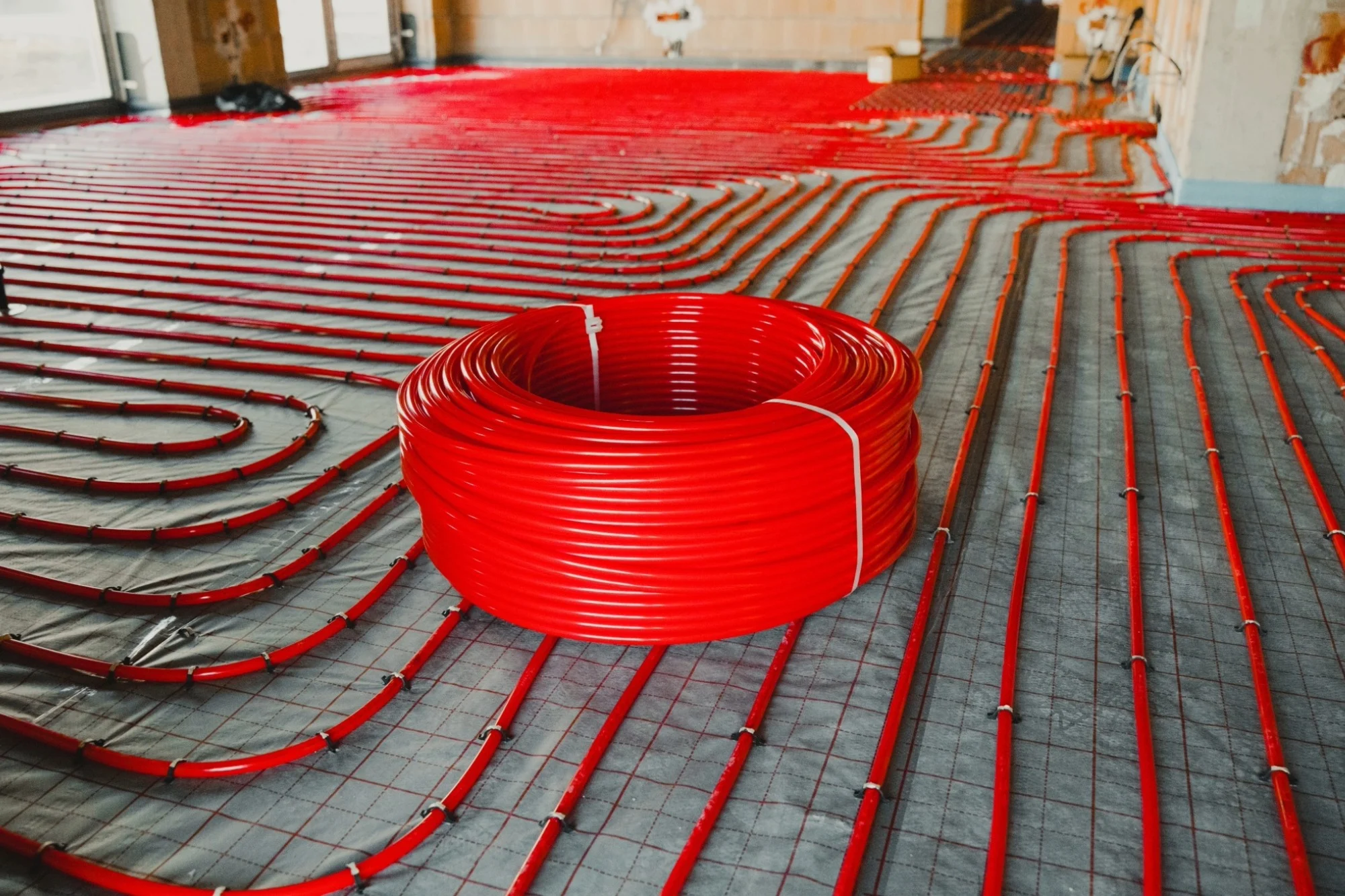
Water underfloor heating systems (sometimes referred to as hydronic systems) have become the preferred choice for a lot of larger residential projects. This is especially true in the case of new build homes and major renovations.
Because these systems circulate warm water through pipework beneath the floor, they integrate very well with modern heating technologies. These include air source and ground source heat pumps. This makes them a natural fit as more homes turn towards renewable heating.
When they’re combined with well-designed zoning and smart thermostats, water underfloor heating systems give homeowners more control over how different parts of their home are heated. Rooms can be managed independently, so heating can match how the space is used throughout the day.
Of course, electric systems still have an important place too. Smaller retrofit projects, bathrooms, and individual rooms can benefit from electric underfloor heating, given that the supplied products meet the Ecodesign efficiency standards.
The important point isn’t choosing one technology over another. It’s selecting the system that best suits the project. And that’s something our team has a lot of experience with if you need a second opinion.
Smart controls have an important part to play
That being said, the heating system itself is only part of the picture here. Modern thermostats and zoning controls help homeowners manage temperature with much more flexibility over when and where they need heat.
For installers, specifying quality controls as well as the heating system is becoming a more and more important part of delivering an installation. And as regulations continue to change, it’s likely that smart controls will become an even bigger part of the conversation.
Helping installers get it right from day one
We know that specifying underfloor heating isn’t just about picking products from a catalogue. Every project comes with its own challenges, whether that’s floor build-up restrictions, heat loss calculations, or deciding which system is most suitable for the property.
That’s exactly why we work with installers and contractors to provide practical advice along with our design services. From detailed underfloor heating layouts and CAD drawings to technical guidance, we help take the guesswork out of specification.
Our aim is simply to help you choose the right solution before any of the work starts, so installation can run as smoothly as possible.
Need advice? We’re here to help
Changes to energy efficiency standards aren’t something to be afraid of. If anything, they’re just another step towards better-performing heating systems and more considered specifications across the industry.
For installers already recommending efficient products, smart controls, and properly designed systems, these proposals reinforce the direction the market is already moving. And for homeowners, the message is just as reassuring. Underfloor heating isn’t being banned. Choosing the right system has just become more important.
If you’re unsure whether your usual specification aligns with the latest direction of travel, or you’d like support choosing the right underfloor heating solution for your next project, we’re here to help.
Not sure if your go-to system makes the cut? Talk to the Warm-Flo team. We’re always happy to discuss your project or help specify a system that’s fit for the future.